Best Plant-Based Protein Sources (And How Much You're Really Getting)
Everything you need to know about the best plant-based protein sources, how much protein they actually contain, and how to hit your daily goals.

June 16, 2026 - Updated June 16, 2026
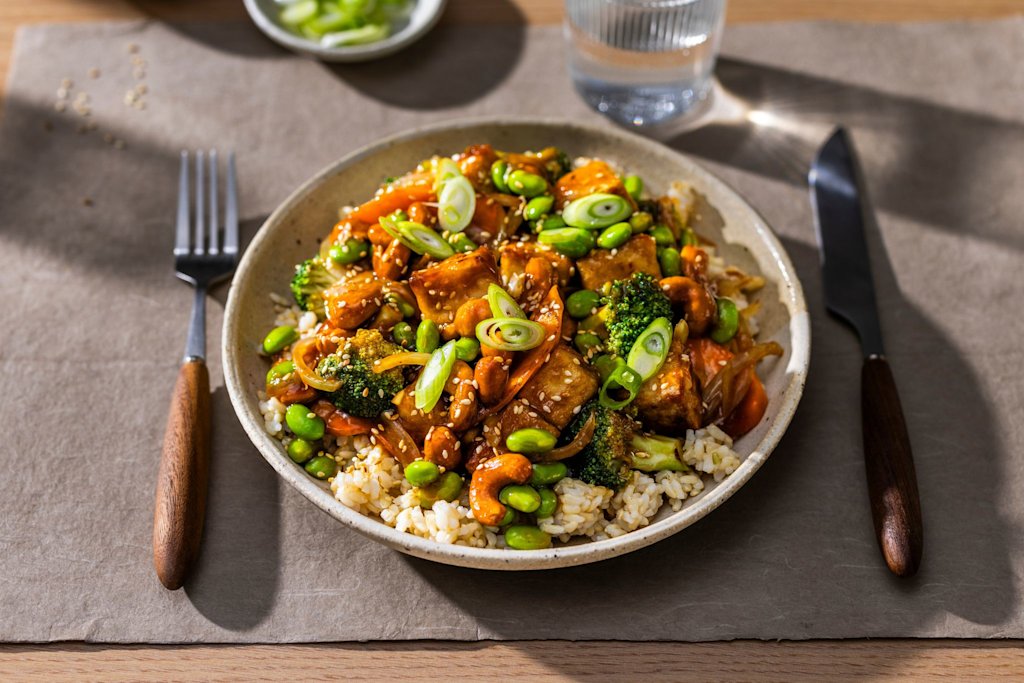
Whether you're fully plant-based, trying to cut back on meat, or just want to get more variety on your plate, getting enough protein from plants is totally doable. The trick is knowing which foods actually deliver.
Protein is one of those nutrients that gets a lot of attention, and for good reason. It supports muscle repair and growth, keeps you fuller for longer, and plays a role in everything from hormone production to immune function. Research from the Academy of Nutrition and Dietetics confirms that well-planned plant-based diets can meet all your nutritional needs, and may even reduce the risk of heart disease, type 2 diabetes, and some cancers.
The key word there is "well-planned." This guide will help you do exactly that.
How much protein do you actually need?
The general recommendation is around 0.8g of protein per kilogram of body weight per day, but if you're strength training or very active, research suggests you may benefit from closer to 1.2 to 1.6g per kg to support muscle repair and growth.
For most women, that's somewhere in the range of 50 to 120g of protein per day, depending on your size and activity level. It's not a dramatic amount, but it does require a bit more thought when you're eating plant-based.
If you're looking for more tailored advice, we always recommend speaking to a sports nutritionist, or you can start with an online protein calculator for an estimate.
What makes a protein "complete"?
Protein is made up of amino acids. Your body can produce some of them, but nine are "essential," meaning you have to get them from food. Animal proteins typically contain all nine in one hit, which is why they're often referred to as "complete" proteins.
Most plant proteins are lower (or lacking) in one or more essential amino acids, but that doesn't mean they're inferior or that you should worry about it. It just means variety matters to tick all the boxes. Eat a range of plant proteins across the day, and you'll cover all nine without having to think too hard about it. A 2019 review confirmed that people eating diverse plant-based diets consistently meet their essential amino acid needs.
Also worth knowing - a few plant foods, including soy, quinoa, and hemp seeds, are complete proteins on their own, so are fantastic options to keep in your rotation.
The best plant-based protein sources
Here's a practical breakdown of the highest-protein plant foods (protein measurements are approximate and sourced from the USDA FoodData Central database) to help you get a clearer picture of what your best options are and how to plan your meals around them.
Tempeh: 19-22g per 100g. Fermented soy with a firm texture, tempeh absorbs flavour well and works in stir-fries, tacos, or sliced and pan-fried. It also contains probiotics, which is an added bonus.
Edamame: 11-12g per 100g. Young green soybeans you can steam, toss with salt, and eat as a snack or add to salads and grain bowls. One of the most underrated protein sources.
Lentils: 9g per 100g cooked. Easy to cook, cheap, and genuinely versatile. Add them to soups, curries, or use them as a base for a simple salad with roasted veg.
Chickpeas: 9g per 100g cooked. Roast them for a crunchy snack, blend them into hummus, or throw them into a curry.
Black beans: 8g per 100g cooked. A solid protein source with a decent amount of fibre too, which supports gut health and helps you feel satisfied after eating. A great option for Mexican dishes.
Tofu: 8g per 100g. The texture and lack of flavour can put people off initially, but the key is to think of tofu as a canvas or a sponge. You bring it to life with sauces and seasonings. Crumble it and make a savoury scramble, bake it and mix it into a curry, shred it for tacos, or slice it thinly for a mock-meat shawarma wrap. The options are endless.
Quinoa: 4g per 100g cooked. Lower in protein than the others, but one of the only plant foods with all nine essential amino acids. Quinoa is an amazing base instead of rice for a higher protein bump.
Hemp seeds: 10g per 30g. Small but mighty. Sprinkle them on smoothies, yoghurt, salads, or porridge. Another complete protein, and they're also a good source of omega-3 fatty acids.
Pumpkin seeds: 9g per 30g. Snack on them, add them to salads, or blend them into a seed butter. High in magnesium too, which is handy if you train.
Almonds: 6g per 30g. A decent portable snack. Pair some almonds a piece of fruit and you've got a genuinely balanced snack that'll hold you over between meals. Almond butter is also delicious.
Nutritional yeast: 8g per 30g. If you haven't tried it, it has a cheesy, nutty flavour that works in sauces, on pasta, or stirred into scrambled tofu or eggs. It's also commonly fortified with B12.
Peas: 5g per 100g cooked. Underestimated, accessible, and easy to add to almost anything. Pea protein is also the base of many plant-based protein powders because it has a strong amino acid profile.

How to hit your protein goals on a plant-based diet
It's super common for people to try going plant-based and then assume the missing meat is the reason they feel flat, hungry or like their training isn't progressing. But often, it's because they weren't getting enough protein.
The protein breakdown can help you plan, but here are three other tips we recommend:
Anchor each meal around protein. Before you think about what veg, sauce, or grain you want, decide on your protein source. Lentils? Tofu? Edamame? Make sure you've always got protein at the centre of your main meals, then build from there.
Combine protein sources. Quinoa and beans, lentil soup with a seed-topped slice of bread, a grain bowl with chickpeas and hemp seeds. You don't need to stress about amino acid combinations within a single meal, just aim for a variety of foods across the day.
Understand your portions. If you're unfamiliar with what a serving of quinoa, tofu, or beans looks like, it can help to get a set of kitchen scales until you can gauge things by eye. Tofu is a great source of protein, but a couple of cubes won't do much to hit your daily protein target.
What about plant-based protein powder?
Protein powder can genuinely help, but it's worth being clear on what it is: a supplement, not a substitute. If the bulk of your protein is coming from powdered scoops rather than actual food, we'd recommend reevaluating your nutrition.
Whole food protein sources bring fibre, vitamins, minerals, and other compounds that a powder simply can't replicate. Lentils give you iron and folate. Hemp seeds give you omega-3s. Edamame gives you fibre and antioxidants. A protein shake gives you protein, and that's mostly it.
That said, we know life is busy. Your appetite fluctuates. Some days you're travelling, rushing between meetings, or just not hungry enough to hit your targets through meals alone. That's exactly what protein powder is for.
Pea protein and brown rice protein are two of the most common plant-based options, and when combined, they provide a more complete amino acid profile than either does on its own. Hemp protein is another solid choice, with the added benefit of omega-3 fatty acids. Research supports pea protein as comparable to whey for supporting muscle recovery after resistance training.
A practical approach is to aim to get at least 80% of your daily protein from whole foods, and use a shake to bridge the gap when needed. One scoop after a workout or blended into a smoothie for breakfast can be a great top-up.
Can you build muscle on a plant-based diet?
Yes. Absolutely. (Why is this still even a question?)
Research published in Sports Medicine found that plant-based diets can support muscle gain comparably to omnivorous diets, provided total protein intake and essential amino acid needs are being met.
The biggest lever is making sure you're eating enough overall, not just enough protein specifically. Total calories, training consistency, recovery, and sleep all matter way more than whether your protein came from a chicken breast or a lentil curry.
If you're strength training and want to level up or optimise your nutrition, always include a good source of protein with every meal, spread your protein intake across the day (your body can only absorb so much at once), and prioritise the higher-protein plant foods listed above.
Powered by plants
A plant-based diet can absolutely support your health and fitness goals. You don't need meat to build muscle, feel strong, or perform well. What you do need to do is plan, prioritise protein, and go for variety.
The proteins listed above are a solid starting point. Experiment, figure out which ones you like eating, find some recipes you love, and make them a regular part of your meals.
If you're struggling to gauge if you're eating enough in the first place, a couple of weeks of tracking your intake can help, or seeing a nutritionist.
For recipe inspo, the Sweat app has a huge library of plant-based recipes. You can easily filter by Vegetarian or Vegan when browsing, so no more googling "high protein vegan dinner" at 6pm and ending up more overwhelmed than when you started.
And if you're working on building strength alongside your nutrition, Kayla Itsines' Strength With Kayla and Strength at Home are both built around progressive strength training no matter where you like to work out.
A more empowered you starts with Sweat, and our editorial team is here to bring you the latest fitness tips, trainer recommendations, wellbeing news, nutritional advice, nourishing recipes and free workouts.
* Disclaimer: This blog post is not intended to replace the advice of a medical professional. The above information should not be used to diagnose, treat, or prevent any disease or medical condition. Please consult your doctor before making any changes to your diet, sleep methods, daily activity, or fitness routine. Sweat assumes no responsibility for any personal injury or damage sustained by any recommendations, opinions, or advice given in this article.
Nutrition