Meal Prep Ideas For The Week: High-Protein Edition
A practical guide to high-protein meal prep, covering a 5-day meal plan with 30g+ protein per meal, a shopping list, prep timeline, storage tips, and vegetarian options.

June 3, 2026 - Updated June 3, 2026
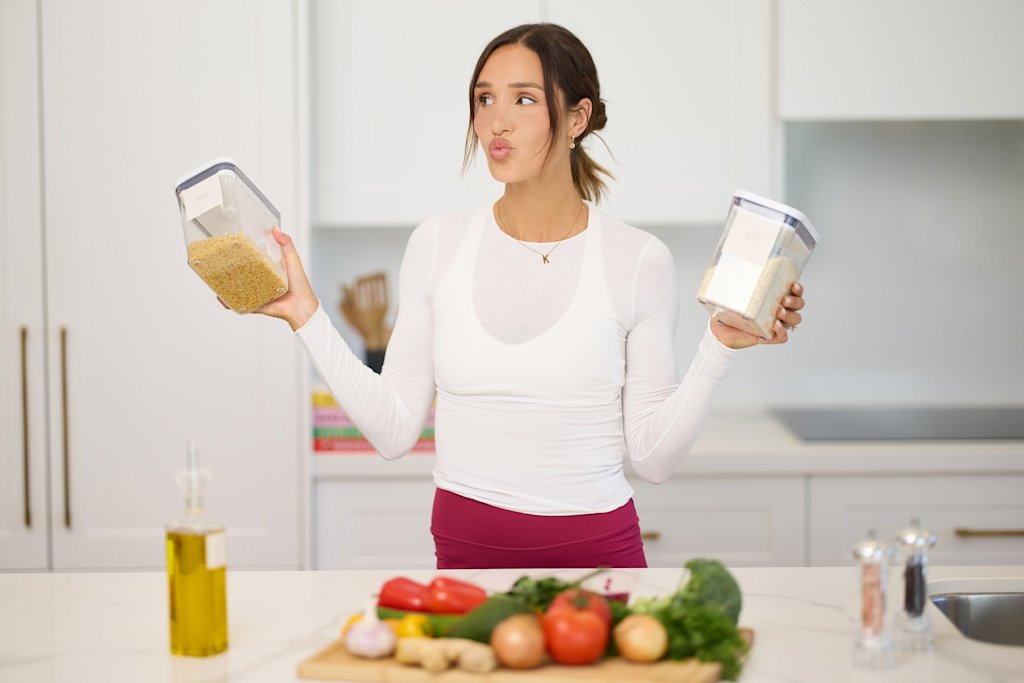
Sunday scaries hitting differently when you've got a busy week ahead and absolutely no idea what you're eating? We've all been there. Luckily, meal prep doesn't have to mean spending your entire Sunday cooking, surviving on bland chicken and rice, or eating the exact same meal five days in a row.
Done right, meal prep is one of the easiest ways to eat well, hit your protein goals, and take the stress out of busy weekdays. Having nourishing, high-protein meals ready to go means fewer last-minute food decisions, less decision fatigue, and one less thing to think about when life gets hectic.
This guide includes high-protein meal prep ideas for breakfast, lunch, dinner and snacks, plus vegetarian options, a flexible shopping list, storage tips, and a simple prep timeline to help you get it all done in under three hours.
Because eating well should make your life easier, not harder.
Why high protein meal prep works
Protein helps keep you full, supports muscle recovery, and plays an important role in maintaining lean muscle mass, particularly if you're exercising regularly. Research suggests that higher-protein diets may support satiety and body composition goals compared to lower-protein approaches.
Pairing a high-protein eating pattern with meal prep makes healthy choices easier. Instead of facing the daily "what should I eat?" dilemma when you're tired and hungry, you'll already have balanced meals ready to go.
Your 5-day high protein meal plan
Here's a simple, high-protein meal plan you can mix and match throughout the week. The goal isn't perfection, it's to make it easier to hit your protein targets (we're talking roughly 30g+ of protein per meal) with ideas that are satisfying, practical and genuinely enjoyable to eat.
Breakfasts
Greek yoghurt or high-protein yoghurt with protein granola and berries
Overnight oats made with protein powder or high-protein yoghurt, chia seeds, and almond butter
Egg muffins with spinach, feta, and sundried tomato (batch bake 6-12 at once)
Protein pancakes topped with Greek yoghurt and fresh fruit
Scrambled eggs on wholegrain toast with cottage cheese and avocado
Lunches
Shredded chicken and quinoa bowl (or wholegrain pasta) with roasted vegetables and tahini dressing
Tuna and white bean salad with cherry tomatoes, red onion, and lemon
Turkey and hummus wraps with baby spinach and cucumber
Lean beef burrito bowls with rice, black beans and salsa
Tofu and edamame grain bowls with brown rice and sesame dressing
Dinners
Baked salmon with roasted sweet potato and broccolini
Turkey and lentil soup (make a big batch, freezes beautifully)
Lean beef stir-fry with edamame, capsicum, and brown rice
Chicken satay bowls with rice and steamed greens
Tofu and vegetable curry served with brown rice
If you're after recipes that take the guesswork out of meal prep, the Sweat app has plenty of high-protein options worth adding to your regular rotation. The Satay Chicken Bowls and Chicken Cashew Rice Bowls are easy to batch cook and keep well in the fridge for a few days. The Greek-Style Chicken Salad is another favourite that works perfectly for make-ahead lunches.
Snacks (10-15g protein)
Cottage cheese with cucumber and cracked pepper
Boiled eggs (batch cook 6 at the start of the week)
Protein balls with oats, nut butter, and protein powder
Greek yoghurt with berries
Roasted edamame beans
Remember, high-protein eating doesn't have to mean complicated recipes or eating the same thing every day. Having a few go-to meals and snacks on hand can make it much easier to stay consistent, support your training goals and feel satisfied throughout the day.
Vegetarian high-protein meal prep ideas
You absolutely don't need meat to hit 30g of protein per meal. These are some of our favourite plant-based options that genuinely deliver.
Breakfast: Tofu scramble with nutritional yeast, wholegrain toast and a side of Greek yoghurt.
Lunch: Lentil and roasted vegetable grain bowl (think quinoa, cous cous or brown rice) with a soft-boiled egg on top
Dinner: Chickpea and spinach curry with brown rice (one pot, 45 minutes, done)
Snacks: Edamame, roasted chickpeas, or a smoothie with protein powder and hemp seeds
Key high-protein plant foods to build your week around: tempeh, tofu, legumes (lentils, chickpeas, black beans), edamame, Greek yoghurt, cottage cheese, and eggs. High-quality protein powders can also help you hit your protein targets, but make sure you're treating it as a supplement and you're still getting most of your protein from whole foods.

Your meal prep shopping list
Once you've decided which meals you want to prep, it's time to build your shopping list. Keeping a few staple ingredients on hand makes meal prep easier, more affordable, and much more flexible week to week.
A simple way to build a meal prep shopping list is to organise it by protein, carbohydrates, vegetables, healthy fats and flavour boosters. Keep it flexible: choose foods you genuinely enjoy, swap ingredients based on what's in season, and adjust quantities depending on how many meals you're prepping that week.
The lists below are designed to spark ideas, not become your entire grocery bill for the week. Choose a few options from each category based on the meals you're making, what you already have at home, and what's in season.
Protein staples
Protein is the foundation of a balanced meal and can help keep you fuller for longer. Having a mix of fresh, frozen and pantry options on hand makes it easier to throw together high-protein meals throughout the week.
Chicken breast or thighs
Salmon fillets
Lean beef mince or turkey mince
Canned tuna
Eggs
Greek or high-protein yoghurt
Cottage cheese
Tofu or tempeh
Legumes
Carbs and grains
Carbohydrates provide energy for your workouts and daily activities. Choosing mostly wholegrain and high-fibre options can help keep you satisfied between meals.
Brown rice
Quinoa
Oats
Wholegrain wraps
Soba noodles
Potato or sweet potato
Fruit and vegetables
One of the easiest ways to boost your nutrient intake is to eat the rainbow. Aim for a variety of colours throughout the week to help you get a broad range of vitamins, minerals and antioxidants.
Red: Capsicum, tomatoes, apples
Orange: Pumpkin, carrot, oranges, mandarins
Yellow: Sweetcorn, banana, mango, pineapple
Green: Baby spinach, leafy greens, broccoli, zucchini, cucumber, snow peas, edamame, avocado, Brussels sprouts, green beans, pears, kiwifruit
Purple: Red onion, eggplant, beetroot, berries, grapes
Healthy fats
Healthy fats add flavour, support overall health and help make meals more satisfying. Think avocado, nut butter, olive oil, nuts and seeds.
Flavour boosters and pantry essentials
These are the ingredients that take meal prep from bland to delicious. A well-stocked pantry makes it easier to create variety without adding extra effort or new recipes.
For flavour: garlic, ginger, fresh and dried herbs, tomato paste
For bite: lemons, garlic, balsamic vinegar, mustard
For sweet: honey or maple syrup
For salt: soy sauce, tamari, stock or sea salt
For heat: chilli flakes or hot sauce
Meal prep essentials to keep on hand
These convenient staples can make throwing together balanced meals even easier:
Frozen berries for smoothies and breakfasts
Frozen edamame
Microwave rice packets for busy days
Canned beans and legumes
Pre-washed salad mixes
Meal prep containers
Remember, your "perfect" shopping list is the one you'll actually use. Start with a few protein sources, carbohydrates and vegetables you love, then build from there. You might have a different list for each season, or different combos that you build around your favourite rotating recipes.
Keeping your meal prep realistic and enjoyable is what helps make healthy habits stick long-term.

How to meal prep in under 3 hours
You don't need to dedicate your entire Sunday to meal prep (and who wants to do that anyway?).
The key is working smarter, not harder, by cooking multiple components at the same time. With a little planning, you can prep several days' worth of nourishing, high-protein meals in just a few hours. Here's a simple (but super comprehensive) timeline to help you get it done.
Before you start (10–15 minutes)
A little preparation goes a long way. Before you switch on the oven, tick off things like:
Choose 2–3 protein sources (for example, chicken, salmon and eggs)
Pick 2 carbohydrate sources (such as rice, quinoa or sweet potato)
Select 3–5 vegetables to roast, steam or enjoy fresh
Wash and chop your vegetables
Gather your meal prep containers and labels
Preheat your oven and line baking trays for easy clean-up
Hour 1: Cook proteins, grains and roasted vegetables
This is your "set it and forget it" hour. Focus on cooking the ingredients that take the longest, and use pre-chopped vegetables, microwave rice or frozen vegetables if you're short on time. This hour could include things like:
Roasting vegetables and sweet potato on one baking tray
Baking salmon, chicken breasts or turkey meatballs on another tray
Air-frying tofu or tempeh if using plant-based proteins
Cooking grains like rice or quinoa on the stovetop or in a rice cooker
Hard-boiling a batch of eggs for quick breakfasts and snacks
Preparing a simple sauce or dressing (such as tahini dressing, pesto yoghurt or lemon vinaigrette)
Hour 2: Prep breakfasts and snacks
While your oven and stovetop are doing most of the work, use this time to tackle the snacks and quick stuff.
Make overnight oats for grab-and-go breakfasts
Portion Greek yoghurt, berries and protein granola into containers
Batch-bake egg muffins with vegetables and cheese
Make a batch of protein balls for easy snacks
Chop fruit and vegetables for snacking throughout the week
Portion nuts, trail mix or roasted edamame into individual serves
Hour 3: Portion, store and freeze extras
Once everything has finished cooking, it's time to put the final finishing touches on your meal prep to set yourself up for a stress-free week ahead.
Allow cooked foods to cool slightly before storing
Divide proteins, carbohydrates and vegetables into meal prep containers
Store breakfasts and snacks in grab-and-go portions
Label containers with the meal name or day of the week if that helps you stay organised
Refrigerate meals you'll eat within 3–4 days
Freeze any extras
How to store your meal prep
Proper storage is what stops your Sunday effort from going to waste by Wednesday.
Most cooked proteins and grains last 3-4 days in the fridge in airtight containers
Soups, curries, and pasta-style dishes (we love our Chicken Bolognese) can be frozen for weeks or months, so batch cooking those is always worth it
Keep dressings and sauces separate until you're ready to eat to avoid your meals going soggy
Overnight oats and egg muffins keep well for 4-5 days refrigerated
Chopped raw vegetables (like cucumber and capsicum) last 3-4 days in the fridge
Meal prepping doesn't need to be picture-perfect or involve a fridge full of identical containers to be worthwhile. Even preparing a few meals, snacks or key ingredients ahead of time can make healthy eating feel significantly more manageable.
Start small. Prep a few meals, find recipes you genuinely enjoy, and build a routine that works for your schedule. Consistency matters far more than perfection, and every meal you prep ahead of time is one less decision to make during a busy week.
If you're looking for more inspiration, the Sweat app is packed with meal prep-friendly recipes, high-protein meals and nutrition ideas to support your training goals, no matter what season of life you're in.
Erin is a writer and editor at Sweat with years of experience in women's publishing, the fitness industry, media and tech. She's passionate about the power of movement, and you can often find her on a yoga mat, a hike, a dance floor, in the ocean or the gym.
* Disclaimer: This blog post is not intended to replace the advice of a medical professional. The above information should not be used to diagnose, treat, or prevent any disease or medical condition. Please consult your doctor before making any changes to your diet, sleep methods, daily activity, or fitness routine. Sweat assumes no responsibility for any personal injury or damage sustained by any recommendations, opinions, or advice given in this article.
Nutrition